
24-Hour Help Hotline Numbers: 2065826344, 2085153325, 2096458266, 2103618931, 2103978578, 2106402196

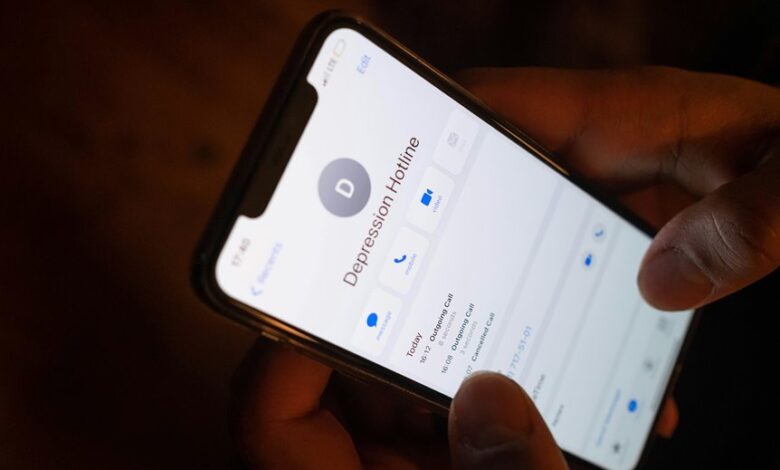
In times of crisis, 24-hour help hotlines serve as vital lifelines for those in need. They offer immediate emotional support and guidance from trained professionals. Many individuals may hesitate to reach out, fearing judgment or misunderstanding. However, understanding the nature of these services can help alleviate those concerns. Exploring the types of support available and the impact of confidentiality reveals the true value of these resources. What could be learned from the experiences of others who have reached out for help?
Understanding the Importance of 24-Hour Help Hotlines
While many individuals may not realize the extent of emotional and mental distress that can arise at any hour, 24-hour help hotlines serve as a vital lifeline for those in need.
These services ensure hotline accessibility, offering immediate emotional support to individuals facing crises. By connecting with trained professionals, callers can find understanding and guidance, empowering them to seek the freedom and stability they deserve.
Types of Support Offered by Hotlines
Help hotlines provide a diverse range of support tailored to the unique needs of individuals in crisis.
These services include emotional support, offering a listening ear and validation of feelings, as well as crisis intervention, guiding individuals through immediate challenges.
How to Reach Out for Help
Reaching out for help can be a daunting step for many, yet it is a crucial move toward healing and support.
Individuals must assess their emotional readiness and confront potential communication barriers. Using hotline numbers can facilitate this process, allowing one to express feelings freely.
Addressing Common Misconceptions
Many individuals hold misconceptions about help hotlines, believing they are unhelpful or only suitable for emergencies.
Additionally, some may think that these resources are not available outside of limited hours, which can discourage them from reaching out.
Understanding the true nature and accessibility of these services can empower people to seek the support they need.
Misconception: Hotline Is Unhelpful
Skepticism often clouds perceptions of hotlines, leading some to believe they are unhelpful or ineffective resources. In reality, hotlines provide crucial support accessibility and demonstrate significant hotline effectiveness.
| Misconception | Reality | Impact |
|---|---|---|
| Hotlines are unhelpful | They offer vital resources | Emotional relief and guidance |
| Limited expertise | Trained professionals | Informed advice and support |
| Only for emergencies | Available for all issues | Ongoing assistance |
Misconception: Only for Emergencies
Although some individuals may believe that hotlines are solely for emergencies, this misconception overlooks the broader scope of support these services provide.
Hotlines offer accessible help for various situations, including:
- Mental health support
- Relationship advice
- General guidance and information
Misconception: Limited Availability Hours
What if individuals struggling with various issues believed that help was only available during limited hours? This misconception perpetuates availability myths that discourage reaching out.
In reality, many help hotlines offer 24-hour accessibility, ensuring support is available whenever it’s needed. Understanding this can empower individuals to seek assistance freely, breaking the barriers created by false beliefs about when help can be accessed.
The Impact of Confidentiality on Conversations
Confidentiality serves as a vital pillar in the realm of support conversations, fostering trust and openness between individuals seeking help.
Without strong privacy assurance, confidentiality concerns may hinder honest communication. This foundation enables individuals to feel safe and supported.
Key impacts include:
- Encouragement to share personal struggles
- Increased willingness to seek help
- Strengthened therapeutic relationships
Encouraging a Culture of Seeking Help
Encouraging a culture of seeking help is essential for fostering mental well-being within communities.
By normalizing help-seeking behavior and actively building supportive networks, individuals may feel more comfortable reaching out for assistance.
Reducing the stigma surrounding the need for help can create an environment where everyone recognizes that seeking support is a sign of strength, not weakness.
Normalizing Help-Seeking Behavior
How can society foster an environment where seeking help is viewed as a strength rather than a weakness?
Normalizing help-seeking behavior can enhance emotional resilience and highlight help-seeking benefits. This can be achieved by:
- Sharing personal stories of growth through help-seeking.
- Promoting educational campaigns on mental health awareness.
- Encouraging open conversations about struggles and support.
Together, these actions cultivate a supportive community.
Building Supportive Communities
While many individuals may hesitate to seek help due to societal stigma, building supportive communities can significantly shift this narrative. Community engagement and peer support are essential components that foster an environment where seeking help is normalized. By creating spaces for open dialogue, individuals can freely express their needs and find solace in shared experiences, ultimately empowering each other to seek the assistance they deserve.
| Aspect | Importance | Benefits |
|---|---|---|
| Community Engagement | Fosters connection | Strengthens relationships |
| Peer Support | Provides understanding | Encourages shared healing |
| Safe Spaces | Ensures comfort | Promotes open conversations |
| Active Listening | Validates feelings | Enhances emotional support |
| Collective Action | Drives change | Builds a culture of support |
Reducing Stigma Around Assistance
Reducing stigma around seeking help is crucial for fostering a society where individuals feel empowered to reach out for assistance without fear of judgment.
Emphasizing stigma reduction can enhance support networks and promote mental well-being.
Key strategies include:
- Normalizing conversations about help-seeking.
- Celebrating stories of recovery and resilience.
- Encouraging community involvement to build inclusive spaces.
Together, these initiatives can create a more supportive environment.
Conclusion
In moments of darkness, when despair feels overwhelming, the light of a compassionate voice can illuminate the path to healing. While many may hesitate to seek help, fearing judgment or stigma, the reality is that reaching out signifies strength and courage. The availability of 24-hour help hotlines offers a lifeline, bridging the gap between isolation and support. By embracing the act of seeking help, individuals can transform vulnerability into resilience, fostering a culture where healing is not only possible but celebrated.